As a well-traveled family, having lived in several countries across the globe, we took up the bold step to produce wine in 2000.
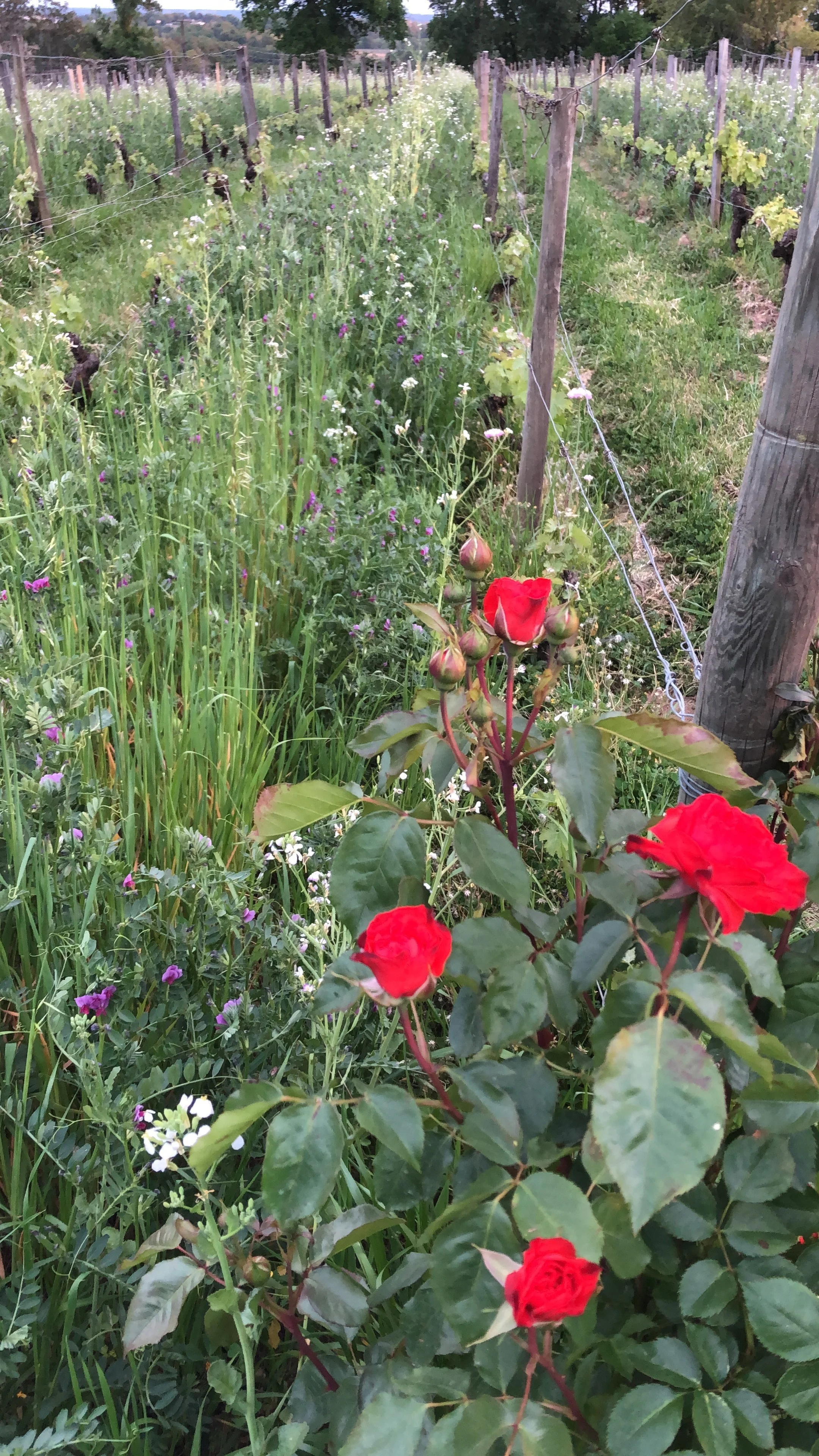
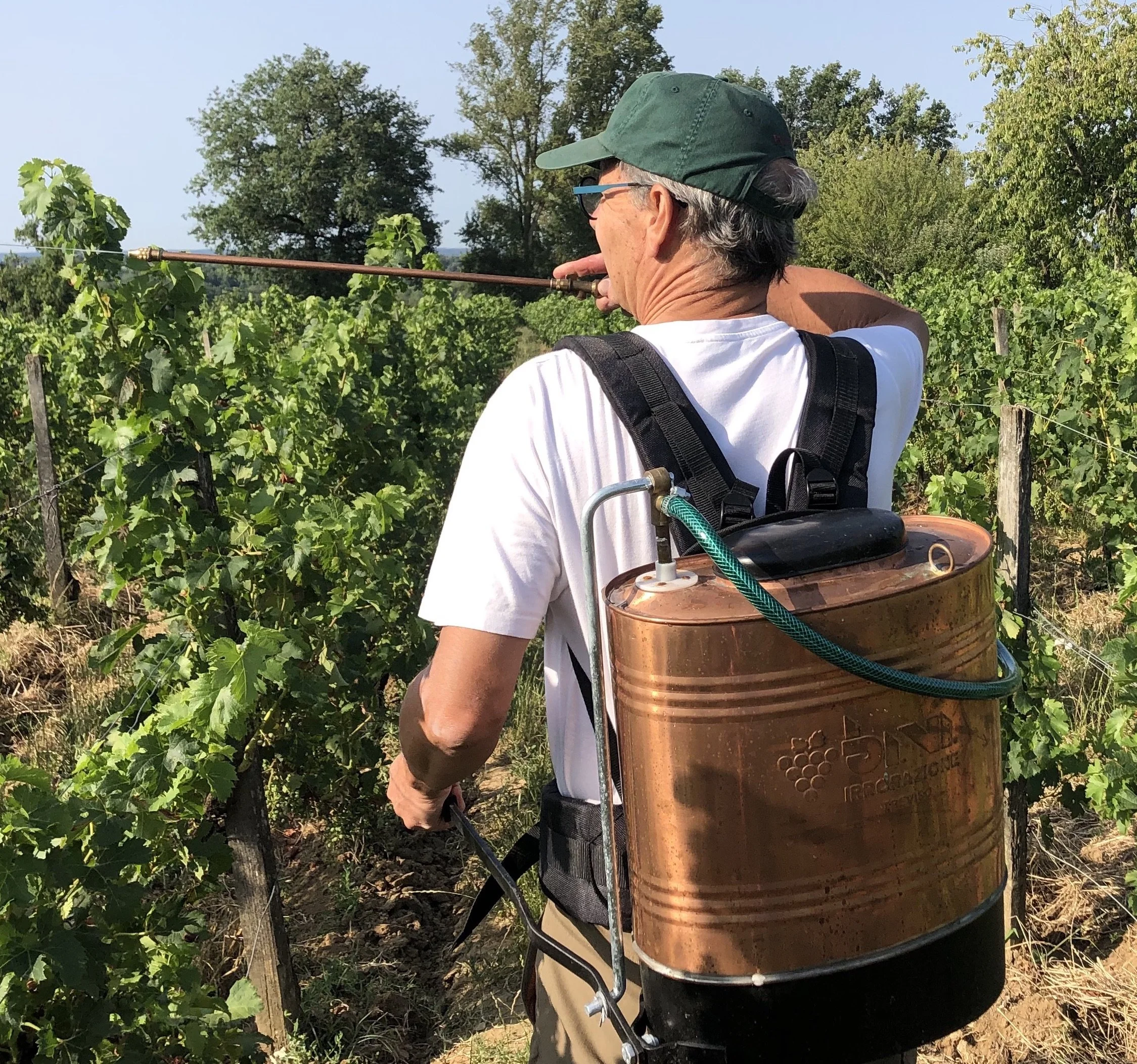
Rapidly when close family and friends were confronted with illnesses as Parkinson, we realised the impact of pesticides and herbicides in agriculture. We understood at an early stage that we should do everything what is under our control to respect nature and do only what is good for ourselves and our consumers.
A brief timetable walks you through a year at Monicord with images and a short text to get an inside how we work preserving the best for nature and for you when enjoying a glass of Monicord.
Over the years we learned that we have only one chance with nature. To do it their way!
From a world citizens to convinced green citizens is the Monicord story
Massal selection and pruning
The most important asset we have are our vines. Over years we realized how precious our old vines are.
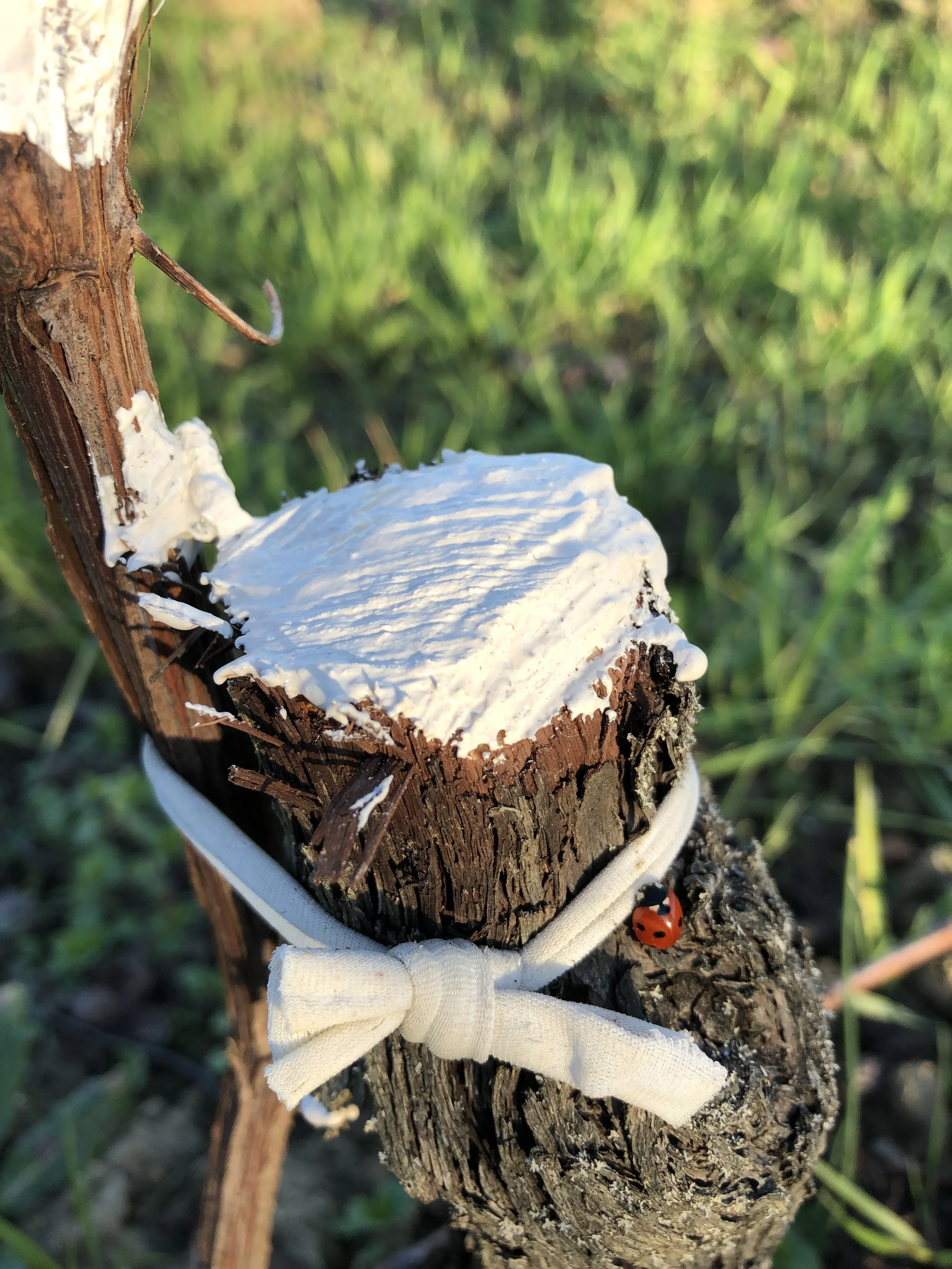
At Monicord we have over time decided to preserve old vines and as much as possible give them a second life by using a young vine shoot to become the new vine. This tedious process done over years has allowed to preserve old none cloned vines. A large part of the vines dates back to 1960.
Whilst agriculture subsidies are tempting to plant new plots with industrial cloned vines, we prefer to preserve old vines and have them adapt and able to resist better to illness.
For new vines we therefore use Massal selection, which is a traditional method of obtaining grapevines by taking cuttings from the healthiest, highest-quality old vines. Key benefits include genetic diversity, unique wine complexity, and better terroir adaptation, unlike uniform clonal selection.
Regenerative agriculture
✳︎
Biodynamic Demeter certified
✳︎
Massal selection vines
✳︎
Tressing of vines
✳︎
Monicord is a Clos
Regenerative agriculture ✳︎ Biodynamic Demeter certified ✳︎ Massal selection vines ✳︎ Tressing of vines ✳︎ Monicord is a Clos